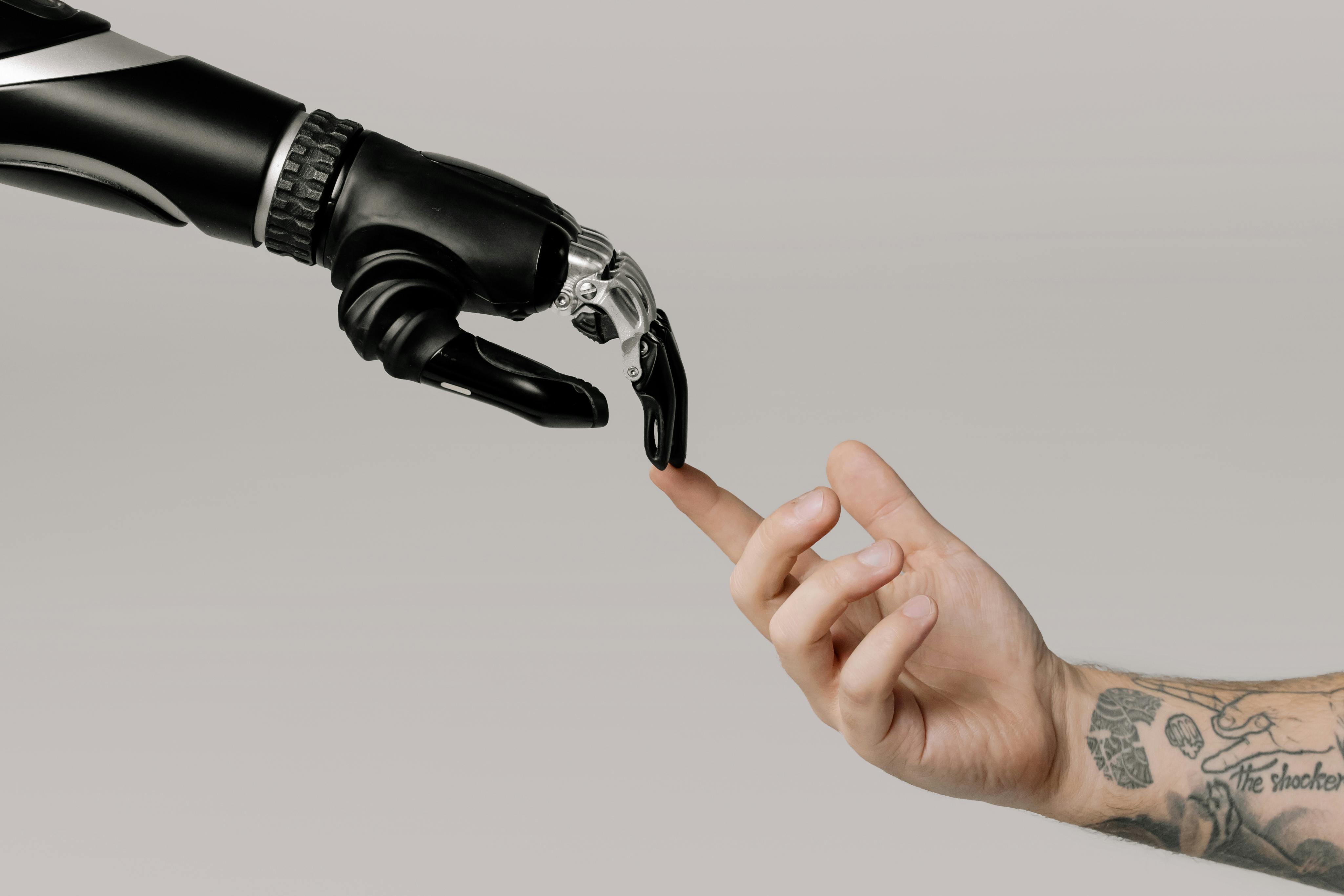
Artificial Intelligence has quietly become a core part of our everyday routine, often working behind the scenes without drawing attention. From the moment we wake up, AI is already active—smartphone alarms adjust based on our sleep patterns, weather apps analyze massive datasets to forecast the day, and navigation tools calculate the fastest routes by monitoring real-time traffic conditions. Even email inboxes and spam filters rely on AI to sort messages efficiently.
Throughout the day, AI continues to shape how we consume content. Social media feeds, video streaming platforms, and online advertisements use machine learning algorithms to study our interests and behavior, delivering personalized recommendations that feel increasingly relevant. This personalization improves user experience while saving time and effort.
Smart Daily Routines: AI powers alarms, calendars, weather apps, and navigation systems that adapt to user habits and real-time data.
Personalized Digital Experiences: Social media, video platforms, and online ads use AI to recommend content based on user interests and behavior.
Smart Homes & Virtual Assistants: Voice assistants control lights, appliances, reminders, and schedules, making homes more efficient and connected.
Healthcare Support: AI assists doctors by analyzing medical data, improving diagnosis accuracy, and monitoring patient health through wearables.
Online Shopping & E-commerce: AI recommends products, manages inventory, personalizes offers, and detects fraudulent activities.
Customer Service Automation: Chatbots and virtual agents provide instant, 24/7 support, reducing response times and operational costs.
Education & Learning: AI enables personalized learning paths, adaptive assessments, and virtual tutoring for students.
Finance & Banking: AI helps with fraud detection, credit scoring, automated transactions, and financial planning tools.
Security & Safety: Facial recognition, surveillance systems, and threat detection use AI to enhance public and digital security.
Improved Decision-Making: By analyzing large datasets quickly, AI supports smarter and faster decisions in everyday life.
Inside modern homes, virtual assistants help manage schedules, set reminders, control lighting, and operate smart appliances using voice commands. In healthcare, AI plays a critical role by analyzing medical images, patient records, and test results, helping doctors make faster and more accurate diagnoses. Wearable devices powered by AI track fitness, heart rate, and sleep patterns, promoting healthier lifestyles.
E-commerce platforms depend heavily on AI to recommend products, manage inventory, detect fraudulent transactions, and offer personalized shopping experiences. Customer service has also evolved, with AI-powered chatbots providing instant support 24/7, reducing wait times and improving efficiency.
AI is increasingly influential in education, where it enables personalized learning, adaptive assessments, and virtual tutoring. In finance, it helps detect fraud, assess credit risk, and automate transactions. Security systems use AI for facial recognition, surveillance, and threat detection, enhancing safety in public and private spaces.
As AI technology continues to advance, it is no longer just a futuristic idea but a dependable partner in daily life. By improving convenience, efficiency, and decision-making, Artificial Intelligence is reshaping how we live, work, and interact with the world around us.